Heritage and Culture
Local Gastronomy

Local Gastronomy
Visitors can choose from a wide range of options when it comes to the food and beverage menu, catering to all tastes. For example, there is the option to choose from a variety of upscale restaurants within 5-star hotels and resorts as well as exploring restaurants and cafes that offer local and international dishes in various types and flavours. In addition to famous international dishes, traditional Omani cuisine is readily available in a number of renowned hotels and restaurants. Omani cuisine is known for its blend of Arabian, Indian, and African flavors, making it distinctive and unique. Restaurants like "Rozna" in the airport heights and "Beit Al Luban" in Muttrah are examples of places that serve authentic Omani cuisine in a modern setting.
Diversity of Omani Cuisine

Diversity of Omani Cuisine
Diversity of Omani Cuisine Omani cuisine reflects a rich ethnic and tribal mix. Omani Chefs blend flavours from the Arabian and Indian subcontinents in dishes such as grilled Mishkak Kebabs, Shuwwa and harees. Traditionally, Omani families entertain at home rather than in restaurants, but the hotel scene is expanding, and with it, the restaurant culture. Many hotels serve international cuisine, but for a more authentic Omani experience, look out for Qabooli (a hearty dish of rice, nuts, raisins and mutton or beef), Harees (meat stew thickened with wheat), and Shuwa (tender, lightly spiced, slow-roasted meat).
Omani Hospitality

Omani Hospitality
Omani coffee and halwa are an important part of Oman’s hospitality traditions, distinguished by their authenticity and generosity. Our traditional sweet delicacies include dates and halwa, a soft blend of sugar, semolina, ghee, saffron, almonds, and fragrant rosewater. Both are perfectly enjoyed with kahwa, an aromatic black coffee flavored with cardamom and poured from a metal coffeepot into small cups (finjan) as a symbol of hospitality. It is always polite to accept it. When you have finished, simply shake the cup gently and say “Bas, shukran” (enough, thank you).
Government Museums

Government Museums
Government Museums Government-run museums, on the other hand, are state run institutions that focus on preserving national heritage and presenting them in an educational and culturally comprehensive manner. They showcase Omani history, arts, and cultural heritage through structured exhibitions and educational activities, enhancing visitors' awareness of the country's culture. There are 14 government museums spread across the Sultanate, providing visitors with a comprehensive picture of Omani heritage from north to south while balancing official and private cultural perspectives.
Locations
Private museums
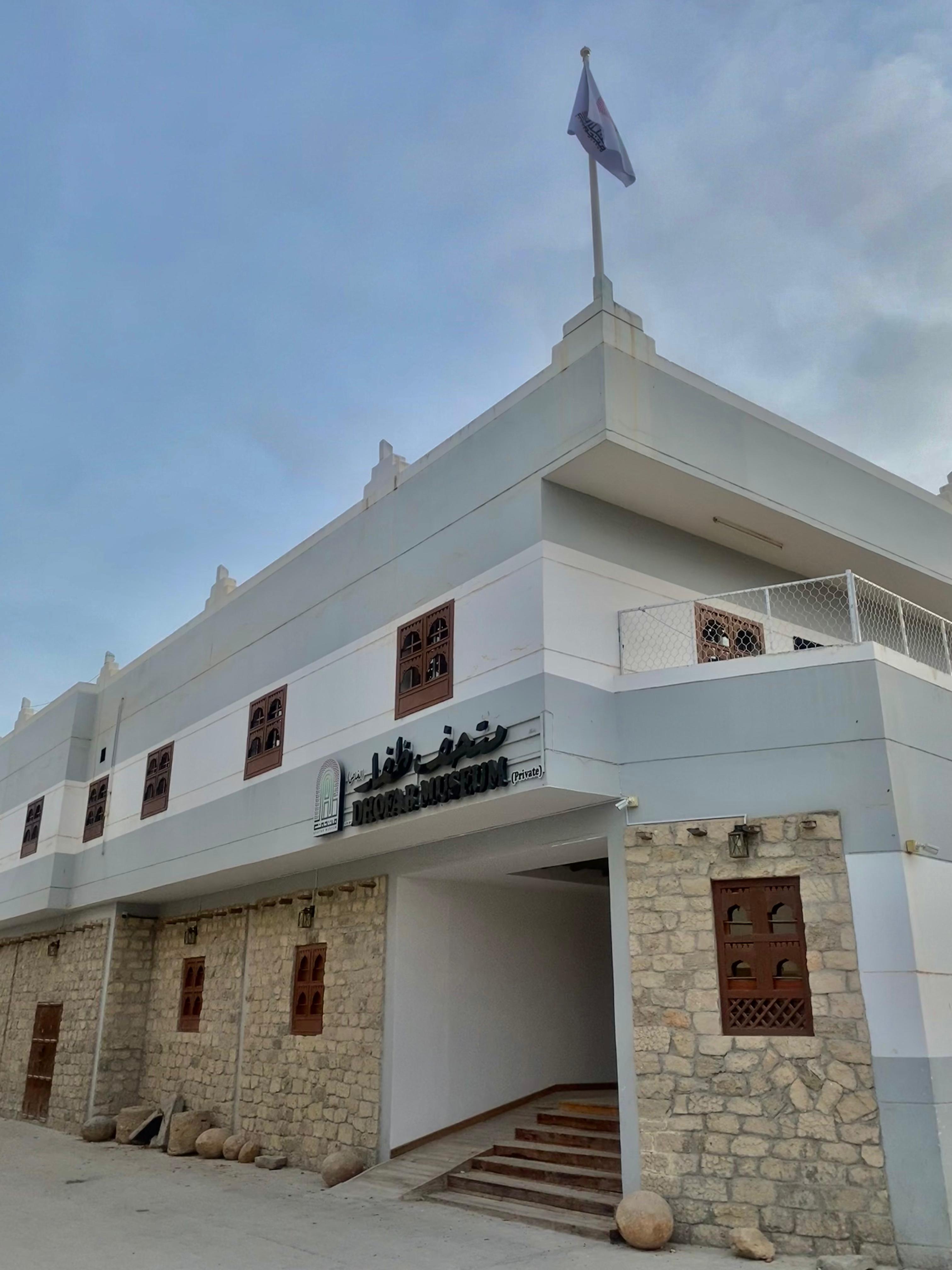
Private museums
Private museums in Oman are independent institutions that are not wholly controlled by the government and are frequently owned by individuals, families, or independent cultural organizations. Their main purpose is to conserve and promote Omani history in a unique way. Traditional attire, jewelry, everyday tools, handicrafts, furniture, and historical documents are common items found in collections that depict Oman's daily life and customs. These museums provide visitors with an immersive experience that closely reflects local life, allowing them to learn about traditional arts and long-standing cultural customs. Private museums are located throughout the country, from north to south, with a total of 22 museums exhibiting Oman's cultural diversity.