Al Hamra Numismatic Museum


It is housed within Al-Ghanimah Fort and spans an area of 200 square meters across two floors. The museum chronicles the history of currency, from the use of muqada for bartering goods to the development of metal and paper money, and finally to the era of digital currencies. It showcases Omani money and currency used in the Sultanate of Oman, including Indian rupee notes predating the issuance of Oman's own banknotes. Noteworthy is the introduction of the first paper currency in 1970, known as the Saidi Riyal, issued in the name of the Sultanate of Muscat and Oman The museum also features the current paper currency, representing the sixth issue, adorned with the image of His Majesty Sultan Haitham bin Tariq the Great. Additionally, the museum houses a library dedicated to books on money and coins, providing valuable resources for researchers interested in the origins of currency.
Best time to visit
Good to Know
Visiting Hours
The museum is open daily from 9:00 am to 12:30 pm and from 3:00 pm to 5:00 pm.
Entry Fees
OMR 1.000 for Omanis and OMR 2.000 for foreign visitors. Children under 12 enjoy free entry.
Contact Information
99779581/hmmalabry@hotmail.com


Bayt Ar-Ridaydah
Bait Al Ridaydah in Nizwa, a 17th-century historical landmark, spans an area of 6,761 m² and is distinguished by traditional defensive architecture and heritage rooms.
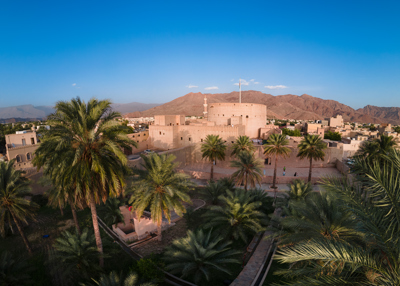

Nizwa Fort
Nizwa Fort, the largest of its kind in the Arabian Peninsula, is a massive circular stronghold built in 1656 AD by Imam Sultan bin Saif Al-Ya’rubi in Nizwa.


Bahla Fort
Bahla Fort, a proud Omani legacy and the first UNESCO-listed site in Oman, stands with its mud-brick walls and deep-rooted history amid lush palm groves.


Oman Across Ages Museum
Discover Oman's rich legacy through immersive exhibits, interactive displays, and cultural artifacts dating back thousands of years.


Jabreen Castle
Jabreen Castle, a 17th-century masterpiece, amazes visitors with its unique architecture and magnificent interior decorations.

